

The Heelhook Revolution: How to Attack and Defend the Most Dangerous Submission
Few submissions in Brazilian Jiu-Jitsu carry the same mystique—or the same fear factor—as the heel hook. A twisting leg attack that targets the knee’s ligaments through rotational force on the heel, it has gone from being a banned and misunderstood technique to the most talked-about submission in competitive grappling. The heel hook didn’t just earn its reputation through highlight reels. It earned it through a generation of athletes who rebuilt the entire sport’s meta around the lower body.
What Exactly Is a Heel Hook?
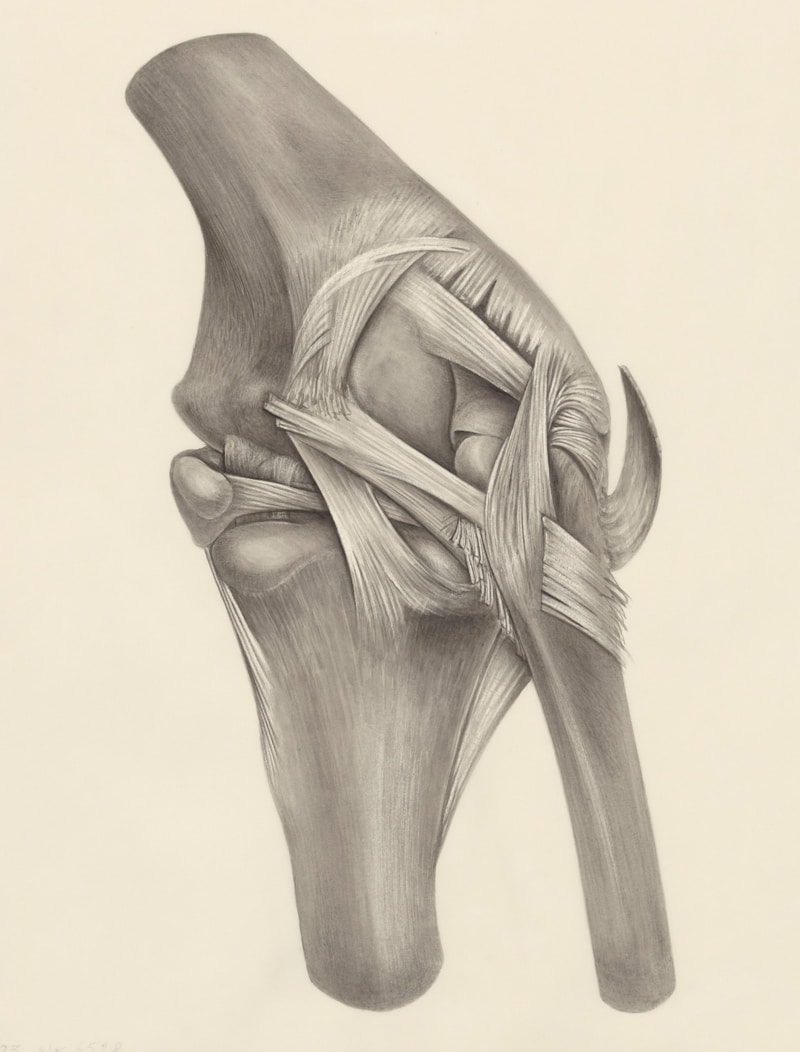
The heel hook works differently from most other submissions. While armbars and chokes apply force along a natural plane of motion, the heel hook applies rotational torque to the knee joint by controlling and twisting the heel bone. The attacker isolates the opponent’s leg, secures the heel against their chest or armpit, and then rotates the foot either inward (inside heel hook) or outward (outside heel hook), generating enormous pressure on the anterior cruciate ligament (ACL), medial collateral ligament (MCL), and meniscus.
The outside heel hook is generally considered more dangerous because the knee has less natural range of motion in external rotation. When an outside heel hook is locked in deep and cranked, damage can happen before the defender even feels significant pain—which is one reason many organizations historically banned the technique.
Where Did the Heel Hook Come From?
Heel hooks aren’t native to traditional Brazilian Jiu-Jitsu. The technique has deeper roots in catch wrestling, sambo, and Japanese shoot wrestling. Catch wrestlers like Karl Gotch and Billy Robinson used leg attacks as part of their arsenal decades before BJJ became a global phenomenon. Sambo fighters in the Soviet Union trained heel hooks as fundamental techniques, with leg locks occupying a far more central place in their grappling systems than they did in the Gracie lineage.
In the early days of Brazilian Jiu-Jitsu, leg locks were treated with suspicion. The Gracie family and many old-school BJJ instructors viewed them as cheap shortcuts that bypassed the positional hierarchy—mount, back control, side control—that they considered the backbone of jiu-jitsu. Heel hooks specifically were seen as too dangerous for training and too unsophisticated to merit serious study.
This cultural bias against leg locks persisted for years. The International Brazilian Jiu-Jitsu Federation (IBJJF) banned heel hooks entirely from gi competition and only allowed them at brown and black belt level in no-gi—a rule set that effectively removed them from the developmental pathway of most BJJ practitioners.

Dean Lister and the Forgotten Question
The seed of the modern leg lock revolution was planted long before it bloomed. Dean Lister, a grizzled veteran of both MMA and submission grappling, was one of the first high-profile BJJ competitors to take heel hooks seriously. Lister won the 2003 ADCC Submission Wrestling World Championship in the absolute division and became known for his devastating leg attacks at a time when most of the grappling world dismissed them.
But Lister’s most significant contribution might have been a single question he posed to a young John Danaher: “Why would you ignore 50% of the human body?”
That question reportedly changed Danaher’s entire approach to grappling instruction. Danaher, a New Zealand-born BJJ black belt teaching out of Renzo Gracie’s academy in Manhattan, became obsessed with systematizing leg attacks. He spent years studying the mechanics of heel hooks, developing what he called the “leg lock system”—a comprehensive framework for entering, controlling, and finishing lower body submissions.
The Danaher Death Squad and the Leg Lock Renaissance
Danaher didn’t just develop a system on a whiteboard. He built a team around it. The “Danaher Death Squad”—a group that included Gordon Ryan, Garry Tonon, Eddie Cummings, and Nicky Ryan—became the most feared competition team in grappling during the mid-to-late 2010s. Their weapon of choice? The heel hook.
Eddie Cummings was arguably the first to showcase the system’s potential in competition. Competing at lower weight classes in events like the Eddie Bravo Invitational (EBI), Cummings would systematically dismantle opponents with a sequence of entries and controls that looked completely alien to traditional BJJ practitioners. He attacked from positions like the 50/50 guard, inside sankaku (the “honey hole” or “saddle”), and outside ashi garami—positions that most gyms didn’t even teach.
Gordon Ryan took things further. Already an elite grappler in the upper body game, Ryan integrated Danaher’s leg lock system into a complete approach that included relentless passing, suffocating top pressure, and an ever-present threat of heel hooks from bottom position. Ryan went on to become the consensus greatest no-gi grappler in history, winning multiple ADCC gold medals and dominating every major no-gi event.
Craig Jones: The People’s Leg Locker
No discussion of heel hooks is complete without Craig Jones. The Australian black belt first made international waves at the 2017 ADCC World Championships, where he submitted several high-profile opponents with heel hooks on his way to a silver medal. Jones was a relative unknown at the time, and his performance sent shockwaves through the community.
Jones brought a different energy to the leg lock game. Where Cummings was cerebral and methodical, Jones was aggressive and explosive—willing to dive on legs from standing and engage in wild scrambles to secure entanglements. His outside heel hook became one of the most feared weapons in the sport.
Beyond competition, Jones became one of grappling’s biggest personalities, launching the Craig Jones Invitational (CJI) and pushing the boundaries of what professional grappling could look like in terms of athlete pay and event production.
How ADCC Changed Everything
The ADCC Submission Wrestling World Championship played a pivotal role in the heel hook revolution. Unlike IBJJF events, ADCC always allowed heel hooks in competition, making it the premier testing ground for leg lock systems.
The 2019 ADCC in Anaheim was a watershed moment. Leg lock attempts were everywhere. Lachlan Giles, a smaller competitor from Australia, submitted multiple opponents from the absolute division using heel hooks—taking out much larger grapplers who had no answer for his leg entries. His run became one of the most viral moments in grappling history.
By the 2022 ADCC, leg locks had become fully integrated into every serious competitor’s game. You couldn’t win at the highest level without at least understanding heel hook defense, even if leg attacks weren’t your primary offense.
How to Attack: Setting Up the Heel Hook
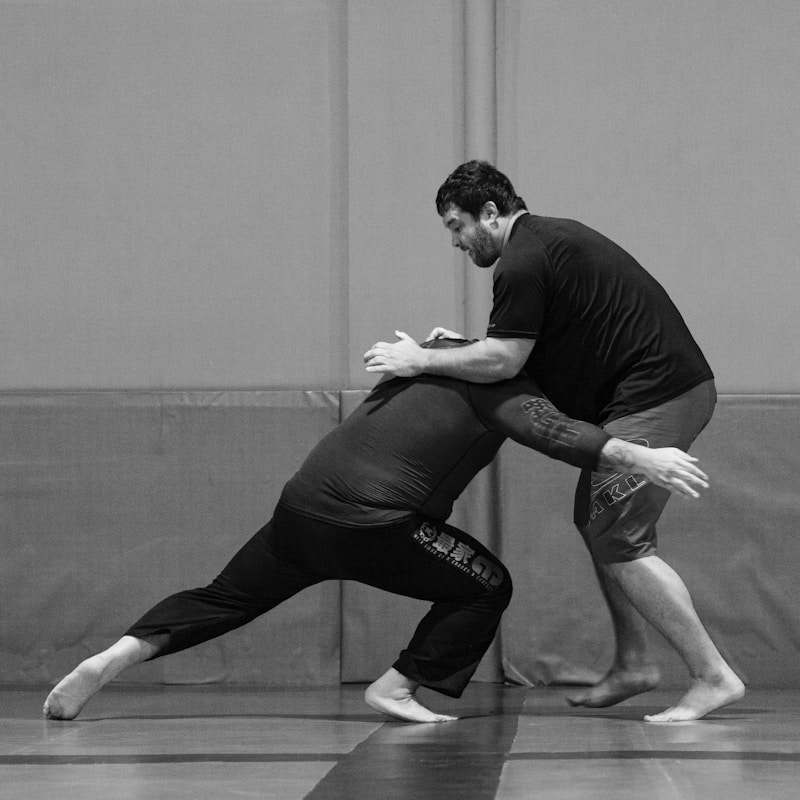
The heel hook doesn’t start with grabbing the heel. It starts with leg entanglements—controlling positions where the attacker has their legs interlocked around one of the opponent’s legs, limiting hip escape and creating the angle needed for the finish.
Key entanglement positions include:
- Single Leg X (Ashi Garami) — The most basic leg entanglement. The attacker has one leg across the opponent’s hip and the other hooking behind the knee. This position is legal in most rule sets and serves as a gateway to more advanced controls.
- Inside Sankaku (Saddle/Honey Hole/411) — A deeper entanglement where the attacker’s legs form a triangle around the opponent’s trapped leg. This position provides extremely strong control and makes both inside and outside heel hooks available.
- 50/50 — Both athletes have their legs interlocked symmetrically. While often leading to stalling in point-based events, it’s a potent finishing position for heel hooks in submission-only formats.
- Outside Ashi — The attacker is on the outside of the opponent’s leg, using a cross-body angle to attack the far leg with an outside heel hook.
The finishing mechanics: Once in position, the attacker cups the heel, tucks it tight against their chest, and applies rotational force by bridging their hips and turning. The key detail is hip engagement—the power comes from the hips, not the arms.
How to Defend: Surviving the Leg Lock Game
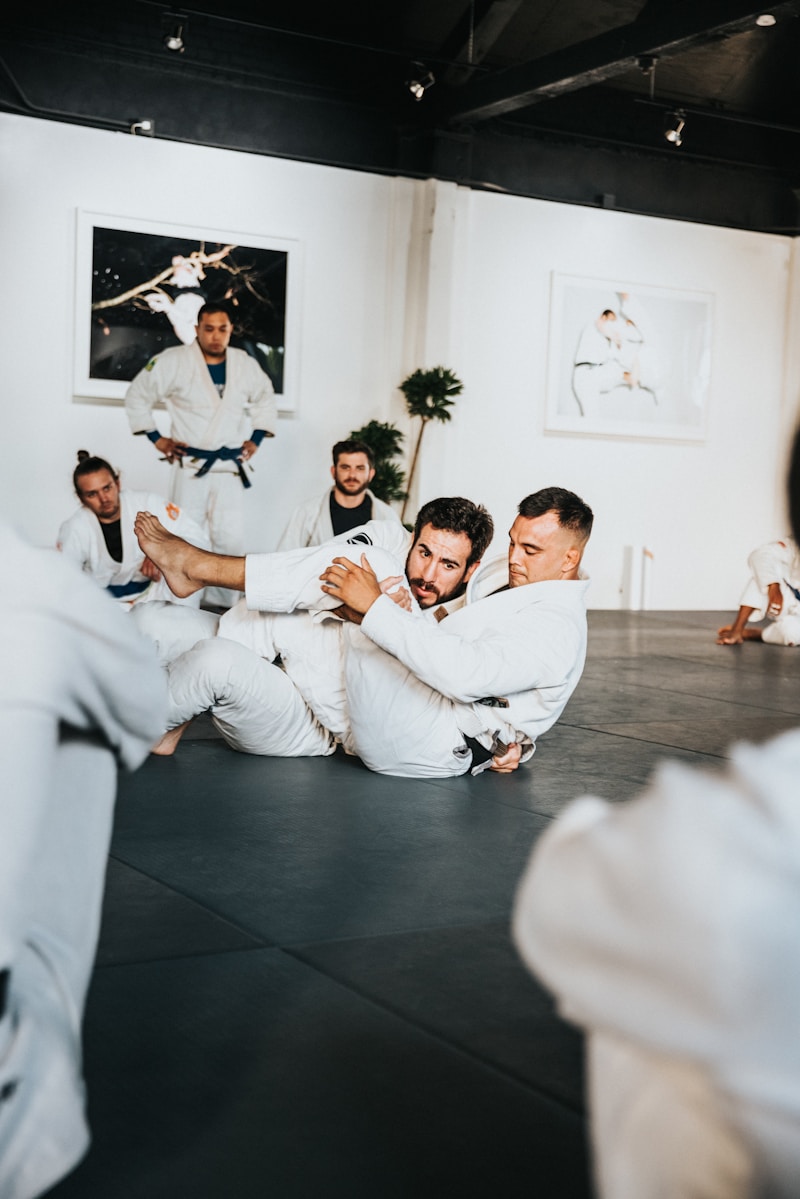
Defending heel hooks requires awareness, timing, and specific technical knowledge. Here are the core defensive principles:
1. Don’t let your knee line get crossed. The “knee line” is an imaginary line extending from your kneecap. If the attacker’s body passes beyond your knee line (i.e., they get their hips past your knee), they’ve entered a dangerous position. Keeping your heel on the attacker’s hip and fighting to keep your knee free is the first layer of defense.
2. Boot your foot. Pointing your toes downward and flexing your foot (“booting”) makes it significantly harder for the attacker to cup your heel. This simple detail buys crucial seconds to begin escaping.
3. Turn into the attacker. Most heel hook escapes involve rotating your body toward the attacker to align your knee with the direction of force, relieving the rotational pressure. If someone has an outside heel hook, you need to face them and get your hips square.
4. Backstep to clear. Once you’ve managed the initial threat, stepping your free leg over and behind can allow you to clear your trapped leg from the entanglement entirely.
5. Tap early. This isn’t a weakness—it’s intelligence. Heel hooks can cause catastrophic damage to the knee before pain signals fully register. In training especially, tapping early to heel hooks is not optional. It’s responsible.
Rules Across Organizations: Where Are Heel Hooks Legal?
One of the most confusing aspects of the heel hook for newer practitioners is navigating the patchwork of rules across different organizations:
- IBJJF — Heel hooks are banned in all gi divisions at every belt level. In no-gi, they are only legal at brown and black belt level. Reaping the knee (crossing the center line with your leg over the opponent’s thigh) is also banned in most divisions, which effectively prevents many leg entanglements.
- ADCC — Heel hooks are fully legal. No restrictions on reaping. This is the widest-open major rule set and the one most conducive to leg lock strategies.
- Who’s Number One (WNO) — Heel hooks legal at all levels. WNO’s submission-focused format has produced some of the most spectacular heel hook finishes in recent years.
- Craig Jones Invitational (CJI) — Heel hooks legal. The event’s massive prize pools have attracted the best leg lockers in the world.
- UFC / MMA — Heel hooks are legal in MMA under unified rules. However, they’re relatively rare in MMA because the threat of strikes changes the dynamics of leg entanglements. Fighters like Ryan Hall and Charles Oliveira have shown they can work from the feet to the legs in a live fight.

The Heel Hook in MMA: A Different Beast
Heel hooks in MMA operate under completely different dynamics than in pure grappling. In a grappling match, diving on a leg carries relatively low risk—if you miss, you pull guard and work from there. In MMA, diving on a leg against someone who can punch you in the face changes the calculus dramatically.
Still, several fighters have made heel hooks work at the highest level. Rousimar Palhares became infamous for his devastating leg attacks in the UFC, though his tendency to hold submissions too long got him cut from the organization. Ryan Hall used Imanari rolls—a spinning entry into leg entanglements—to catch opponents off guard in the Octagon. Shinya Aoki terrorized opponents in ONE Championship and PRIDE with his leg lock game.
The emergence of the UFC BJJ platform suggests that leg locks—and heel hooks specifically—will continue bridging the gap between pure grappling and MMA competition.
Training Heel Hooks Responsibly
The heel hook’s reputation as “the most dangerous submission” is both earned and slightly overblown. Yes, heel hooks can cause serious injury if applied recklessly or defended improperly. But the same is true of many techniques—kimuras, can openers, and even aggressive guard passes can cause damage when performed without care.
The key to training heel hooks safely:
- Catch and release. In training, get to the position, secure the heel, and let go. Don’t crank.
- Communicate with your partner. Let them know you’re working leg attacks before the roll.
- Tap early and often. There’s no ego in protecting your knees.
- Learn the positions before the submissions. Understand ashi garami, saddle, and 50/50 as positions before trying to finish from them.
- Drill escapes. Knowing how to escape heel hooks makes you safer when attacking and defending.
The Heel Hook Changed Grappling Forever
The heel hook revolution wasn’t just about one technique. It was about a philosophical shift in how grapplers approach the human body. Dean Lister asked why we’d ignore 50% of it. John Danaher built a system to exploit it. Gordon Ryan, Craig Jones, and Lachlan Giles proved that system worked at the highest level.
Today, every serious BJJ academy teaches some form of leg lock defense. Every competitive purple belt has at least a basic understanding of ashi garami. The IBJJF has slowly loosened its restrictions. And the question is no longer whether heel hooks belong in jiu-jitsu—it’s how many different ways you can get to them.
The heel hook didn’t just become another technique in the toolbox. It rewrote the entire playbook.


 English
  Chinese